
Heavyweights like Bitcoin often dominate headlines in the cryptocurrency market. However, altcoins offer unique opportunities for investors who do their homework. These coins, such as Ethereum, offer high growth potential but also carry greater volatility and risk.
That is why you must have a clear investment strategy before putting your money into these cryptocurrencies. You must understand how to evaluate, select, and manage altcoin investments to achieve long-term results. Read on to discover seven valuable strategies.
Purchasing and HODLing
Buying and HODLing altcoins involves purchasing smaller cryptocurrencies and holding them long-term, ignoring extreme volatility. Unlike Bitcoin, altcoins face a higher risk of project failure or of losing their entire value during bear markets.
To succeed, you’ll need deep fundamental research and emotional discipline. If you avoid frequent trading, you’ll minimize fees and taxes while you bet on a project’s future utility and growth.
Staking and Saving
Staking and saving altcoins turn idle assets into productive ones. By staking, you lock tokens to secure the network and receive rewards. Saving involves depositing assets into interest-bearing accounts.
Both offer passive income, but be careful of lock-up periods and cutting risks. You must balance yield against price volatility for long-term success. You must prioritize safety because weak crypto custody can lead to significant losses.
Trading
Altcoin trading focuses on capturing short-term profits through market volatility. Unlike holding, trading requires technical analysis, using price charts, and indicators to time your entries and exits. Although the potential for quick gains is high, frequent fees can eat into your capital.
You’ll need strict discipline, risk management, and constant market monitoring to succeed. Trading differs significantly from crypto gambling because it involves careful evaluation and calculated action.
Dollar Cost Averaging
Dollar Cost Averaging (DCA) involves investing fixed amounts at regular intervals, regardless of the altcoin’s price. This strategy cuts the risk of buying at a market peak and removes emotions from your decision-making. When you consistently purchase at market volatility, you lower your average cost basis over time. This makes it ideal for navigating the unpredictable crypto market cycles.
Hedging
Hedging protects your altcoin portfolio from downside volatility without the need to sell your holdings. By using derivatives like short selling or put options, you create a counter-position that gains value as your assets fall. Although it acts as insurance to lock in gains, it comes with fees and limits potential upside.
Following Market Trends
To follow market trends, you must identify emerging narratives such as AI, Gaming, and DeFi to catch quick price moves. Unlike HODLing, you’ll need to monitor social sentiment and technical indicators to get into trending sectors early enough. You’ll need to be fast and rotate your capital accordingly to avoid the dumps that come after pumps.
Buying the Dip
This involves buying altcoins during temporary price drops and banking on future rebounds. This strategy capitalizes on market fear to lower your average entry price. However, it can be risky because a dip could lead to a permanent crash.
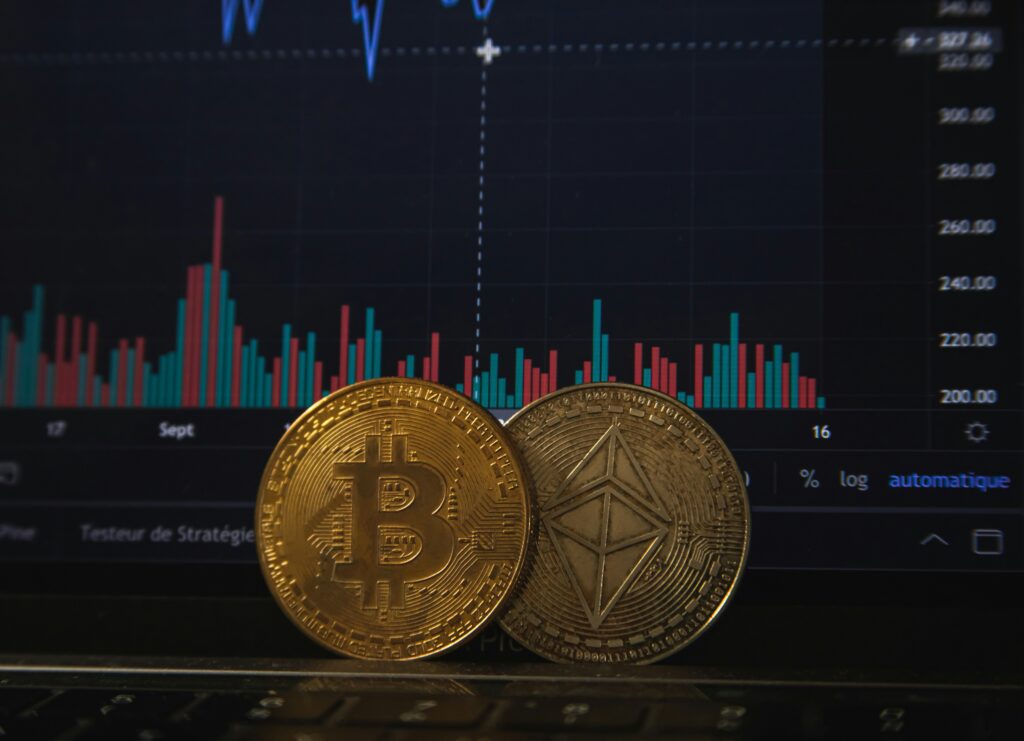
To succeed, you must distinguish between healthy corrections and fundamental failures on these altcoins while avoiding panic. You can easily learn how to invest in XRP on Kraken when the price dips slightly and hold until it comes back up.
Endnote
If you’re looking to invest in altcoins, several strategies come in handy, including buying and HODLing, staking and saving, trading, dollar cost averaging, and hedging. You can also buy the dip while following market trends if you’re looking to make more profits.

Aisha Noreen is an owner of a small business with more than 9 years of experience in the marketing industry. With the wisdom of an old soul, she always seeks innovation and mind-blowing ROI techniques. Her unique approach helped many small businesses thrive and she can surprise you in many ways as well. Believe it or not, her energy, passion, and creativity are contagious enough to transform your business and take it to another level.