
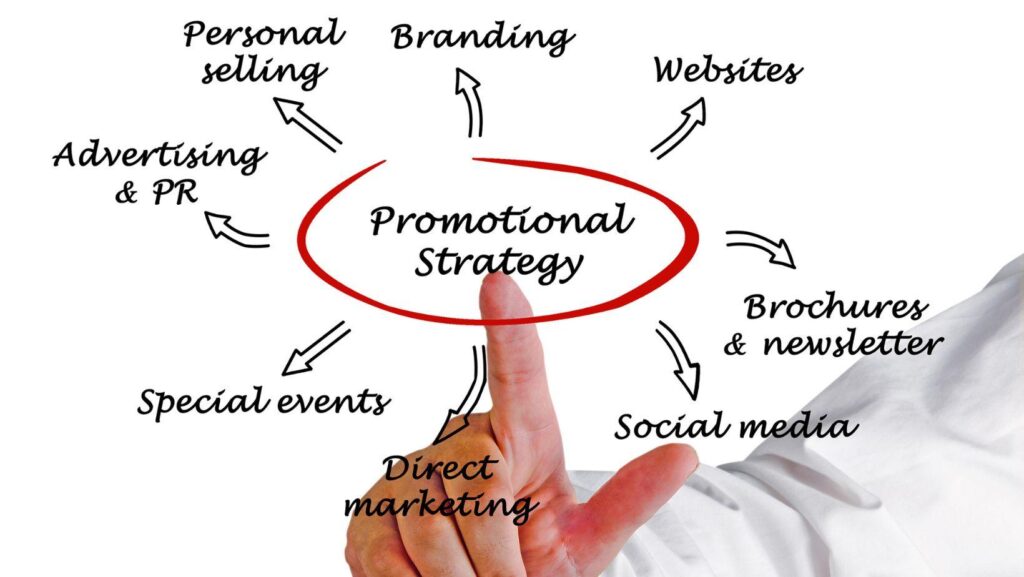
Companies frequently invest in promotional product campaigns to increase their visibility and long term brand recognition. Measuring the success of these efforts is more complex than the distribution of branded items. Organizations must understand how these products affect customer behavior and how people perceive the brand. By evaluating performance through structured methods, businesses are able to determine if their investment provides a return. Accurate measurement is also helpful to improve future campaigns so that promotional efforts are consistent with marketing goals plus customer expectations.
Performance Tracking Methods
One direct way to measure success is to track distribution channels and engagement points. Businesses often put QR codes, promotional links or redemption identifiers on campaign items – these tools are useful for marketers to see how many recipients interact with the brand after they receive a product. Staff are also able to measure event based distribution – looking at increases in attendance or follow up inquiries – these metrics provide a clear view of how promotional items contribute to engagement when they are part of customer relationship management systems.
Monitoring how long promotional items stay in use and how often other people see them is another strategy. Items like branded containers for liquids or office accessories are able to create repeated exposure over time. The durability of an item is a significant indicator of its value. Surveys but also feedback from customers are also helpful to determine if recipients remember the brand after they receive the product. Companies are able to identify patterns that show if promotional efforts improve visibility – comparing engagement data from before and after campaigns.
Customer Response Indicators
Customer response is important when evaluating promotional success. Businesses collect feedback through surveys after a campaign to measure how well individuals remember the brand and if they are satisfied. Mentions on social media as well as the organic sharing of branded products are also indicators of engagement. In some markets, like those involving corporate gifts South Africa suppliers, companies use localized feedback to understand how different audiences respond to items – this data is useful to improve the messaging and the selection of products for future campaigns.
Lead generation and referral activity are other significant indicators. Companies track if promotional items result in more website visits, inquiries or sales conversations. Referral codes or tracked landing pages are tools that connect physical products to digital actions. It is likely that a campaign is creating engagement when recipients share or recommend a brand because they received a useful item – these insights are helpful to determine which promotional products create the most interest from customers.
Financial Impact Evaluation
Financial evaluation is a process that determines if a campaign provides a measurable return on investment. Businesses compare the cost to produce and distribute promotional products with the revenue or leads they generate. The cost per impression is a primary metric, especially when people use items in public settings. Conversion rates from promotional interactions to sales are also useful to show effectiveness – these financial indicators are helpful to justify marketing budgets and guide decisions about future spending.
Companies also assess the long term brand equity that promotional campaigns create. High levels of customer retention next to repeat purchases are signals that branded items make customers more loyal. Analysts look at customer lifetime value to determine if people who receive promotional products are more valuable over time than those who do not – this broad financial perspective is useful for companies to recognize both short term gains and lasting benefits from their promotional strategies.
Conclusion
The measurement of success for promotional product campaigns is a combination of tracking methods, customer insights and financial evaluation. Businesses have a more complete understanding of campaign effectiveness when they analyze both immediate engagement plus long term impact – this structured approach is helpful for organizations to improve their strategies. It also ensures that promotional investments continue to support growth and create stronger relationships with customers.

Tim Kelly, J.D., is a legal writer for LawInfo.com. He holds a law degree from Mitchell Hamline School of Law in St. Paul, Minnesota. Tim has a background in retail copywriting and entertainment journalism, with his work being featured in various publications, including the New York Times and EW.com. In 2017, he transitioned into the legal industry, specializing in intellectual property and small business law. Tim resides in the Twin Cities and takes great joy in being a husband, father, and passionate record collector.