
If you’re building or marketing a retail technology company right now, you’ve probably felt it. That sense that no matter how good your product is, it’s getting harder to be heard.
You ship a real update. Something customers actually asked for. You send out a press release. Maybe you even pitch a few reporters. And then… nothing. Or worse, a polite pass.
It’s frustrating. And it’s common.
The retail tech space is louder than it’s ever been. More tools. More platforms. More “game-changing” announcements. At the same time, media outlets are shrinking, reporters are stretched thin, and attention spans are shorter across the board.
So how do some brands still manage to land coverage, build credibility, and stay visible while others fade into the background?
Let’s talk about that.
Why Retail Technology Feels Invisible Right Now
Retail has always been competitive, but the last few years turned the volume way up. AI, automation, omnichannel, data platforms, in-store tech, supply chain software. Everyone is solving something important, and everyone is saying it loudly.
From the outside, that means most stories start to sound the same.
From a journalist’s perspective, they’re getting dozens of pitches that blur together. New feature launches. Minor integrations. Claims of being “first,” “smarter,” or “more efficient.” Even if your product really is better, it’s tough to spot that in a crowded inbox.
The hard truth is this: good technology alone isn’t enough to earn attention anymore. Not because reporters don’t care, but because they don’t have time to dig for what makes you different.
That’s where most brands get stuck.
The Mistakes That Quietly Kill Media Interest
Before we talk about what works, it’s worth calling out what doesn’t. These are patterns that editors and reporters see every day.
One big one is leading with features instead of impact. You might be excited about how your system works, but journalists are thinking about readers. Retailers. Operators. Investors. They want to know why it matters, not how clever the tech is.
Another common issue is treating PR like a one-off task. A launch here. A funding announcement there. No connective tissue. No ongoing story. That makes it hard for the media to understand who you are or why they should keep paying attention.
And then there’s generic outreach. Broad pitches are sent to everyone. Little customization. No real sense of what that reporter covers or cares about. Those emails are easy to ignore, even when the company behind them is solid.
None of this means you’re doing something “wrong.” It just means the bar has changed.
What Actually Makes A Story Worth Covering
Here’s the shift that helps most retail tech brands: stop thinking like a product marketer and start thinking like a source.
Reporters aren’t just looking for announcements. They’re looking for insight. Perspective. Context. Someone who helps them explain what’s happening in retail right now.
That might mean sharing real data from your platform that points to a trend. Or offering a clear take on how AI is changing store operations. Or explaining what retailers are getting wrong about personalization.
Notice what’s missing from that list. Features.
When you frame your story around outcomes and industry impact, you make it easier for the media to say yes. You’re no longer asking for attention. You’re offering value.
This is also where timing matters. A product update tied to a bigger conversation will always land better than one floating on its own.
Positioning Yourself So You Don’t Blend In
In crowded markets, positioning does more work than promotion.
The brands that break through are usually very clear about what lane they own. Not “we do everything,” but “we are especially good at this one hard problem.”
That clarity helps journalists remember you. It helps customers understand you. And it gives your PR efforts something solid to anchor to.
This is often where working with a retail tech PR agency makes a difference, especially for teams that are deep in the product and close to the day-to-day. An outside perspective can help sharpen the narrative and pressure-test what’s actually interesting versus what just feels important internally.
The goal isn’t hype. It’s focus.
Tactics That Actually Cut Through The Noise
Once the story is clear, the tactics become simpler.
Thought leadership is one of the most effective tools when it’s done right. Not generic advice, but specific viewpoints rooted in real experience. What are you seeing in retailer behavior? What’s changing faster than people realize? What’s overhyped?
Customer stories also matter more than most brands think. Not polished case studies, but real-world examples that show friction, trade-offs, and results. Those details make stories feel human.
Consistency is another underrated factor. Brands that show up regularly, with useful insight, tend to build momentum over time. One hit helps. Five relevant hits shape perception.
And yes, relationships matter. Not in a transactional way, but in a “this person understands my beat” way. That kind of trust is built slowly, and it pays off.
What The Brands Getting Coverage Do Differently
If you look closely, the retail tech companies that earn steady media attention usually share a few habits.
They invest in narrative before outreach. They know what they stand for and why it matters.
They understand the media ecosystem they’re entering. They don’t pitch trade reporters like national business writers or vice versa.
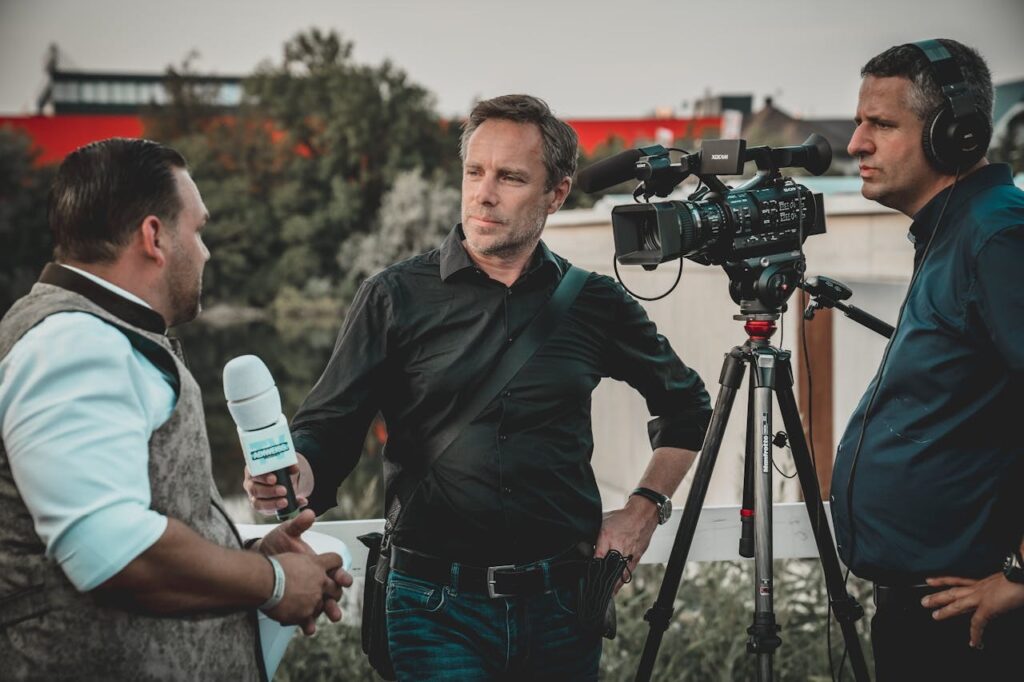
They care more about relevance than reach. A single story in the right place often does more than ten random mentions.
And they see PR as part of growth, not a box to check. It supports sales. Hiring. Partnerships. Credibility. All of it.
Visibility Isn’t Luck, It’s Intention
Breaking through media noise isn’t about shouting louder. It’s about saying something worth hearing, in a way that fits the moment.
If your retail technology brand feels invisible right now, that doesn’t mean you’ve missed your chance. It usually means the story needs sharpening, the approach needs adjusting, or the effort needs to be more consistent.
The brands that win attention aren’t chasing every headline. They’re shaping a conversation over time.
And once you do that, the noise gets a little quieter.

Aisha Noreen is an owner of a small business with more than 9 years of experience in the marketing industry. With the wisdom of an old soul, she always seeks innovation and mind-blowing ROI techniques. Her unique approach helped many small businesses thrive and she can surprise you in many ways as well. Believe it or not, her energy, passion, and creativity are contagious enough to transform your business and take it to another level.