
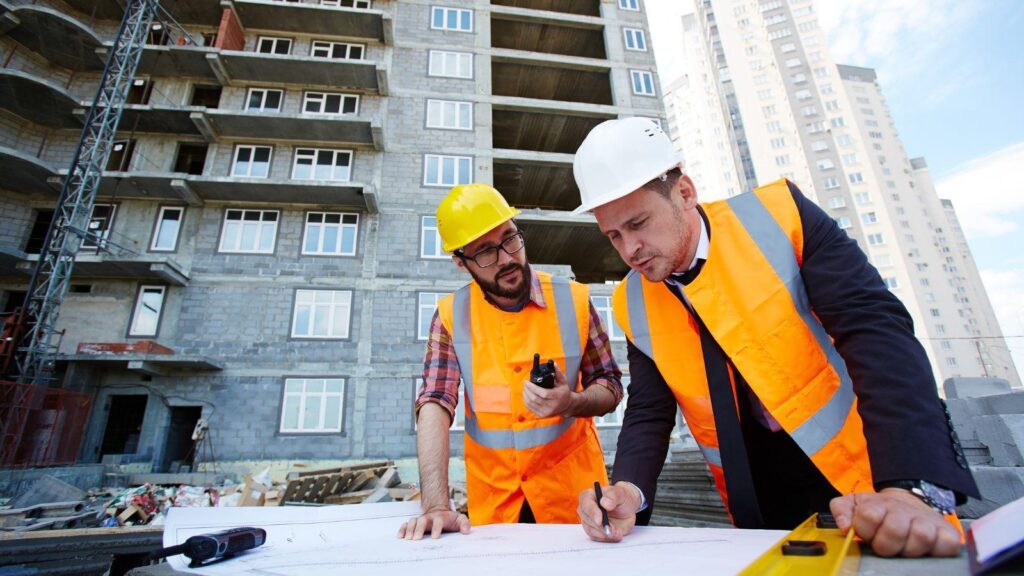
From the outside, the construction industry looks like a straightforward business of tangible creation. You clear a piece of land. You pour concrete. You stack steel and wood until a physical structure appears where there used to be nothing. It’s a satisfying profession because you can see the fruits of your labor at the end of every single day.
But anyone who’s ever occupied the owner’s chair knows that building the actual structure is often the easiest part of the job.
The real challenge lies in building and maintaining the business entity that supports the heavy machinery. Running a successful construction company requires managing a complex web of moving parts, unpredictable variables, and thin profit margins. Honestly, it’s a balancing act that tests even the most experienced leaders. How do you keep your footing when the ground beneath your projects is constantly shifting?
The Invisible Margin Trap
One of the most persistent hurdles in this industry is financial management. Many knowledgeable tradespeople decide to launch their own firms because they’re exceptional at their craft. They know how to estimate materials, and they understand the physics of a build. However, estimating the true cost of running an ongoing business operation is a completely different skill set.
Cash flow is the lifeblood of any project, but it’s notoriously volatile in construction. You often have to front the costs for raw materials, specialized equipment rentals, and payroll long before the first substantial progress payment arrives from the client.
It is a stressful waiting game.
I guess you don’t really understand pressure until you’re staring at the hum of your laptop at midnight, calculating numbers that just don’t want to work. If a client delays a payment by even a few weeks, it can create a cascading crisis. It threatens your ability to fund ongoing work on other active jobsites. Have you ever had to look at a thriving, busy jobsite and wonder if you can cover next week’s payroll?
Furthermore, true profitability is frequently eaten away by indirect costs that owners fail to account for properly. Maintenance on a fleet of trucks, insurance premiums, regulatory compliance permits, and administrative overhead must all be factored into your bidding structure. So, without a strict, data-driven approach to tracking every single dollar, a company can easily find itself in a position where it’s incredibly busy but completely broke. And that’s the point.
The Constant Hunt for Skilled Labor
A construction company is only as good as the people holding the tools on site. Right now, the industry is facing a massive generational shift. Experienced superintendents and master carpenters are retiring faster than younger workers are entering the trades. This workforce shortage creates a highly competitive environment where retaining top talent is a daily battle.
When you lack a stable crew, your project schedules suffer immediately. You are forced to rely on temporary labor or subcontractors who may not share your dedication to quality or safety. Managing these external crews requires immense diplomatic skill and constant oversight.
But where is the next generation of builders supposed to come from if fewer people are entering the trades?
You know, it breaks your heart a little when you realize you can’t find enough young hands willing to learn the trade. To remain successful, an owner must transition from being just a boss to becoming a true leader who builds a desirable workplace culture. This means offering competitive compensation, but it also means providing clear pathways for career advancement and showing genuine respect for the physical toll this work takes on a human body.
Leveraging Staffing Partnerships to Bridge the Gap
Because finding and keeping great people is so difficult, successful owners are changing how they recruit. Trying to handle all your hiring in-house while managing active job sites is a recipe for burnout. This is exactly where industrial construction staffing agencies can help turn the tide for your business.
Partnering with a specialized agency takes the crushing weight of vetting, background checking, and credential verification off your plate. They maintain deep benches of qualified, pre-screened tradespeople who are ready to step onto a site at a moment’s notice.
It changes the game entirely.
Whether you need a sudden influx of specialized welders for an industrial build or general laborers to keep a commercial project on schedule, an agency gives you the flexibility to scale your workforce up or down based on your actual project pipeline. Maybe it’s not a silver bullet, but it protects your core crew from exhaustion and keeps your overhead predictable. Why struggle to find talent alone when you can outsource the hunt?
Navigating the Logistics Maze
Every construction project is a unique logistical puzzle with a thousand opportunities for delay. You’re entirely dependent on global and local supply chains that can shift without warning. A delay in the delivery of a specific electrical component or a shortage of drywall can bring an entire jobsite to a grinding halt while your payroll costs continue to accumulate.
Weather is another uncontrollable variable that refuses to cooperate with your carefully planned calendar. A week of heavy rain can destroy an excavation schedule and push your completion date into a penalty zone specified in your contract.
It requires radical flexibility.
You stand there in the mud, watching the rain wash away a week’s worth of progress, feeling completely helpless. Successful management requires building deep resilience into your scheduling. You cannot simply plan for the ideal scenario. You must develop comprehensive backup plans for your material suppliers and maintain flexible schedules that allow your crews to pivot to indoor tasks when the elements turn against you.
Managing Client Expectations
A significant portion of an owner’s day is spent managing human relationships rather than managing building materials. Clients frequently come to the table with high expectations, rigid budgets, and a limited understanding of the actual building process. They see a design on a screen and expect the physical reality to manifest instantly and flawlessly.
Miscommunication during the early phases of a project almost always leads to friction later on. Change orders, which occur when a client requests modifications mid-build, are a frequent source of conflict. If you do not have an ironclad, transparent process for documenting and pricing these changes immediately, you risk destroying the client relationship and losing your profit margin simultaneously.
And that is a loss no business can sustain for long.
Clear communication is not just about sending emails. It’s about education. You have to walk clients through the realities of the process, explain why certain delays happen, and help them understand the cost implications of their choices before the work happens.
The Weight of Regulatory Compliance
Safety is not just a moral obligation; it’s an operational necessity. The regulatory environment surrounding construction is dense and unforgiving. A single serious safety violation can result in massive financial penalties, halt your operations entirely, and permanently damage your reputation in the marketplace.
Keeping up with local building codes, environmental regulations, and safety standards requires continuous education and strict enforcement. It means creating an environment where workers feel empowered to speak up about hazardous conditions without fear of retaliation. As the owner, the ultimate responsibility for every individual’s well-being on your site rests squarely on your shoulders, and that reality brings a heavy psychological weight. How do you sleep soundly knowing you are responsible for everyone making it home safely?
Shifting from Trading Time to Scaling Systems
Perhaps the ultimate challenge for an independent construction business owner is learning how to step away from the tools and step into the role of a true executive. It’s incredibly difficult to stop managing individual crises on the jobsite and start focusing on long-term corporate strategy.
If the owner must be present on site for work to progress, the company cannot scale.
True sustainability comes from creating repeatable systems, hiring trustworthy management staff, and investing in project management software that provides real-time visibility into every project from a distance. You have to build a business infrastructure that’s strong enough to operate smoothly even when you’re not standing in the dust. It’s about building something that outlasts your daily presence.
